Itera AI — UX Strategy
& Product Growth
Itera had R$2M+ in academic funding. Brilliant AI researchers. Proprietary models for NLP and computer vision. They'd been around for 10+ years.
The problem? They kept building custom software for clients. Every project was a one-off. They couldn't figure out how to become a product company. I came in to change that.
Over 18 months, we built a new brand, ran deep market research, defined a clear value proposition, and shipped an AI SaaS product for credit risk in B2B banking. The result: all 5 of Brazil's largest banks tested the platform. 2 of them became recurring SaaS clients. 11 deals total in the first year.
18 months of strategy, research, design, and iteration. Here's what happened:
I used the Ansoff Growth Matrix to map Itera's strategic options. They had been stuck in market penetration with custom software. The real opportunity was product development for existing markets.
Custom AI software for existing financial clients. Where Itera was stuck. Low scalability, high effort per deal.
Build a scalable AI product for credit risk. The winning bet. Same market, productized offering.
Take existing AI capabilities to new industries. Healthcare, retail, legal. Future opportunity.
Completely new products for new markets. Highest risk. Tabled for later.
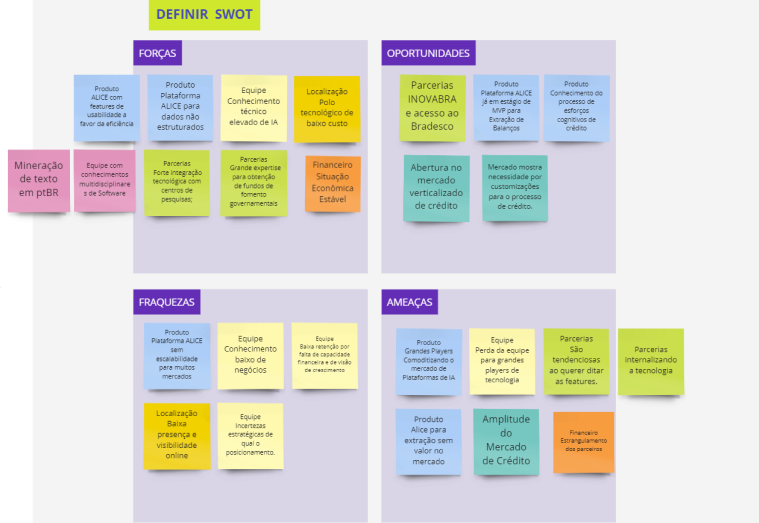
I ran a SWOT Analysis with key stakeholders. The picture was clear:
- Talented AI researchers with academic backing
- Pre-trained NLP models for unstructured text
- Existing penetration in financial market
- R$2M+ in funding
- No business or marketing maturity
- No product mindset in the team
- Broken brand hierarchy and visual identity
- Technical communication unfriendly to buyers
- Credit risk automation in banking
- 80% of organizational data is unstructured
- Growing AI adoption in Brazilian finance
- Credit cooperatives as viral distribution channel
- Big players building their own AI dev tools
- Commoditization of NLP capabilities
- Long sales cycles in enterprise banking
- Regulatory changes in financial data handling
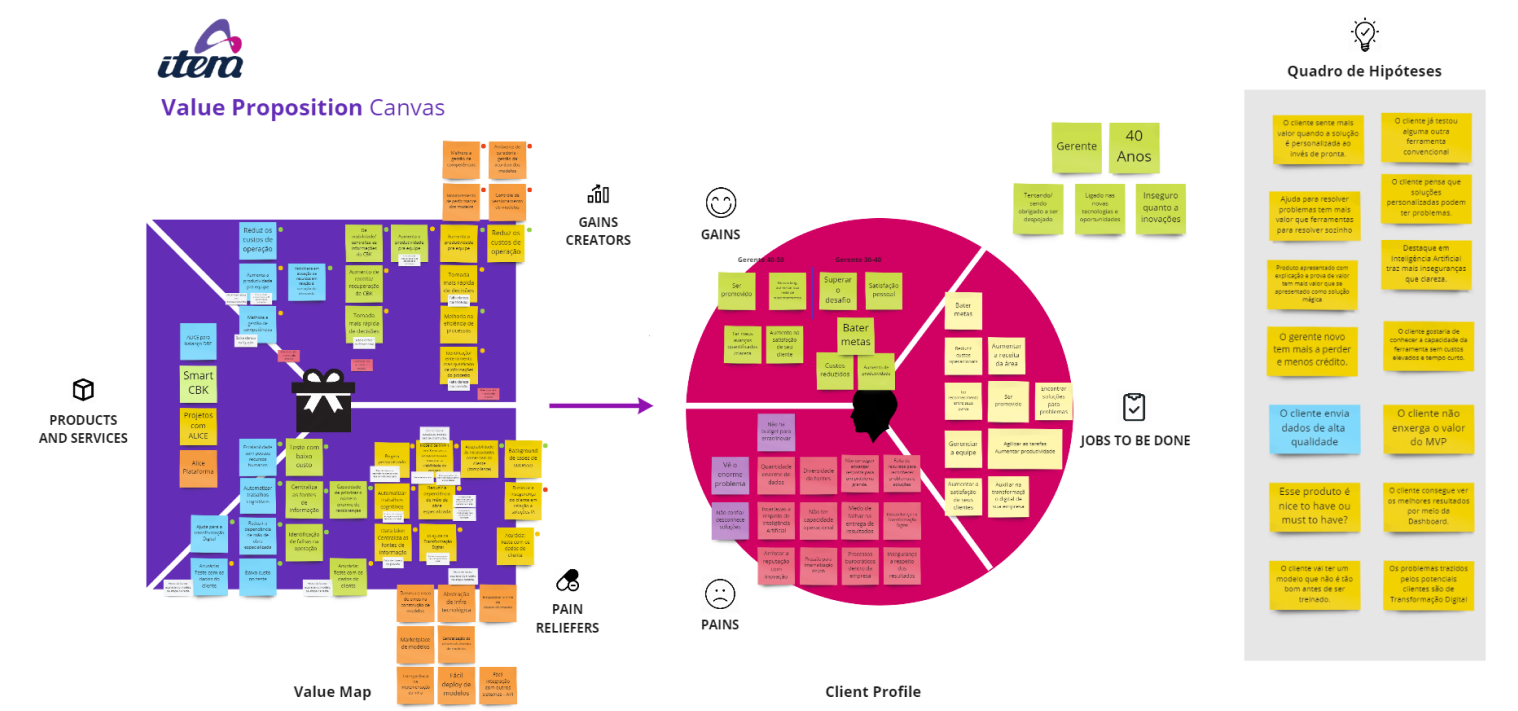
Through Value Proposition Design, we analyzed four active solutions Itera had. Only one had real product potential: Smart Extractor (later renamed "Alice Balanco"). It extracted structured data from balance sheets and income statements. The bet? Credit risk analysis, where we could cut costs and speed up the entire process.
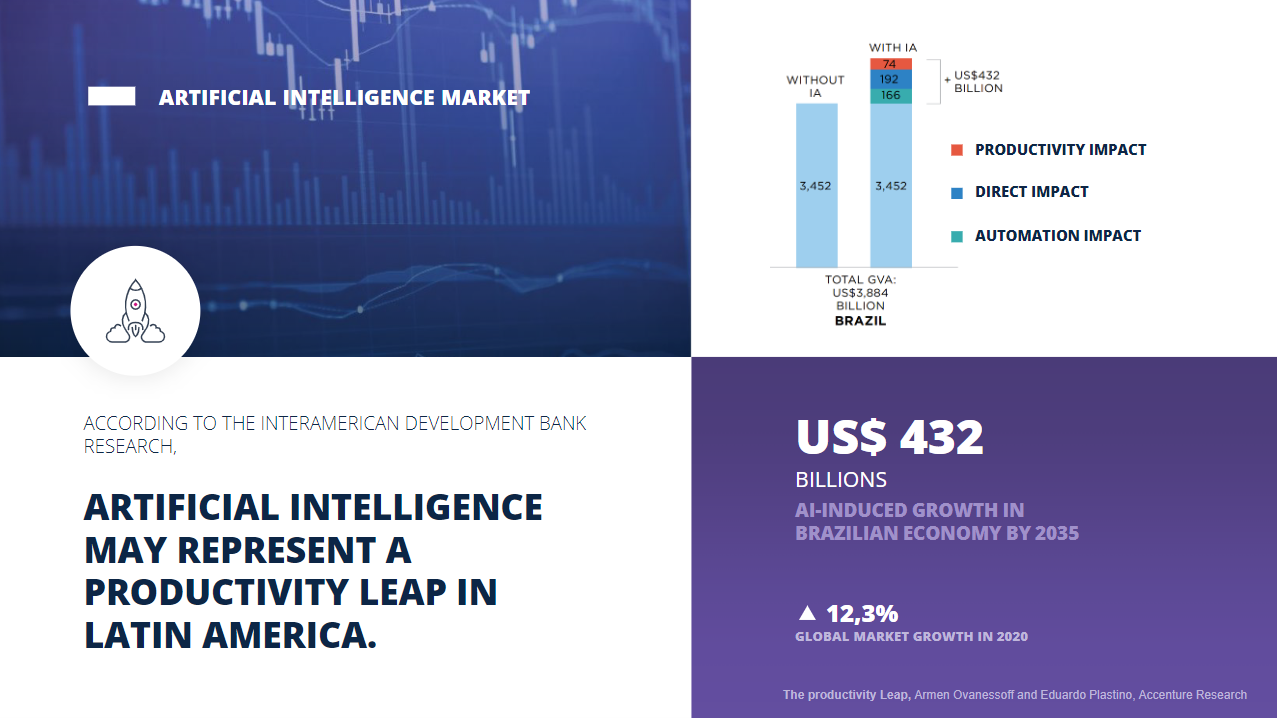
The numbers backed up our bet. AI in Brazilian finance was about to explode. Sources: Accenture 2020, FEBRABAN/Deloitte 2020.
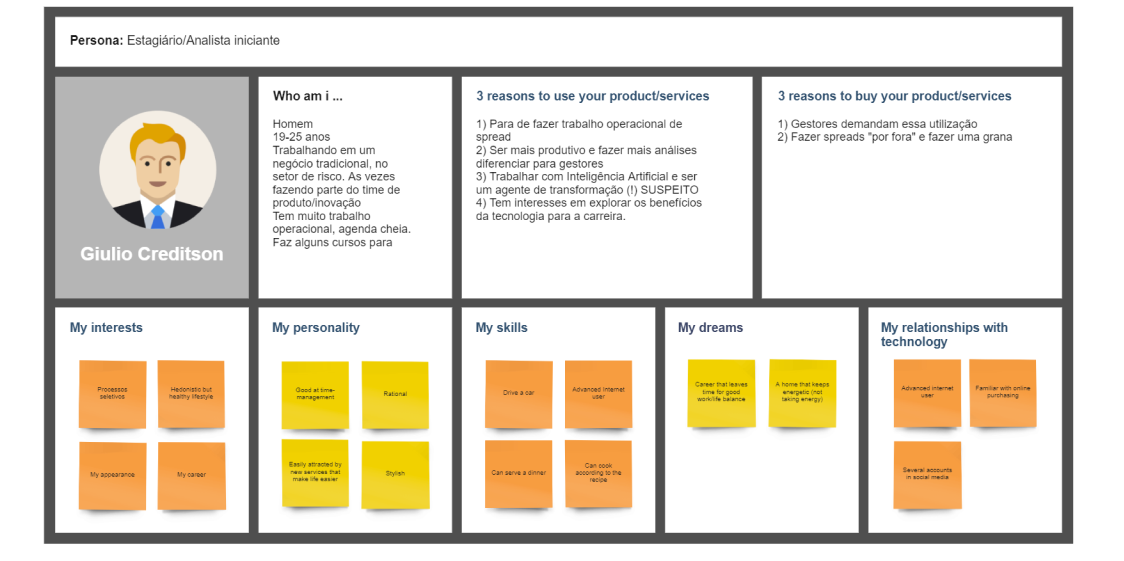
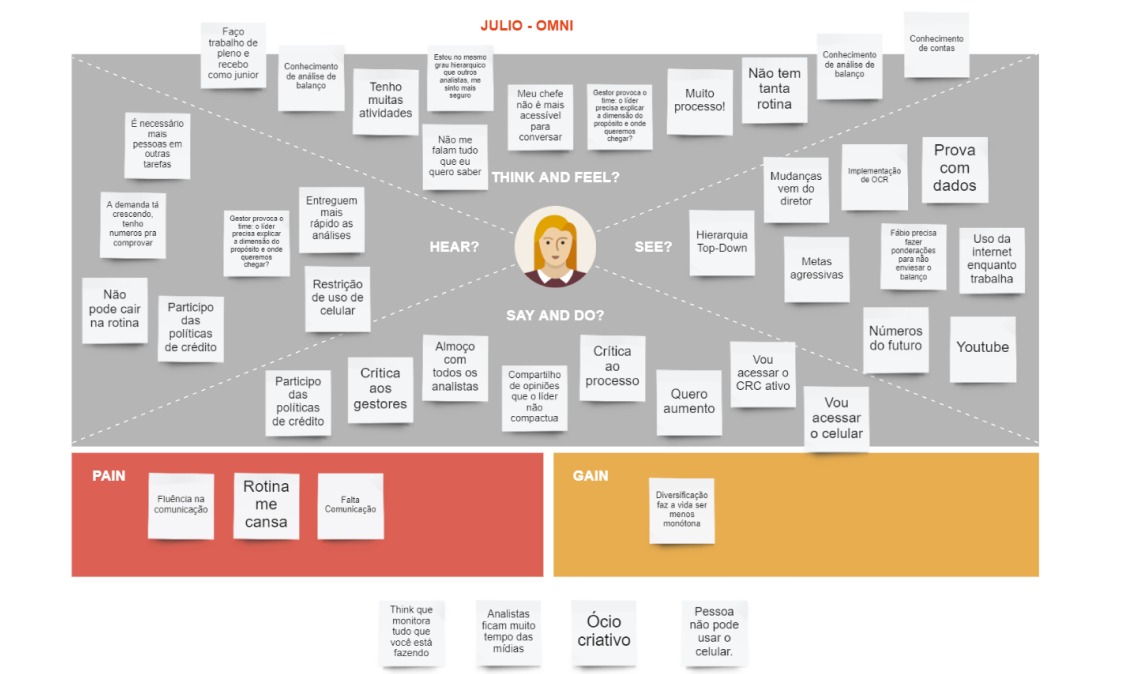
We built personas and empathy maps for credit risk analysts. These are the people who spend their days manually extracting data from PDF balance sheets. Tedious, error-prone work.
Here's the key insight we found: when analysts understand that AI improves their productivity instead of replacing them, they become the strongest advocates for adoption. Fear turns into excitement. That insight shaped our entire go-to-market messaging.
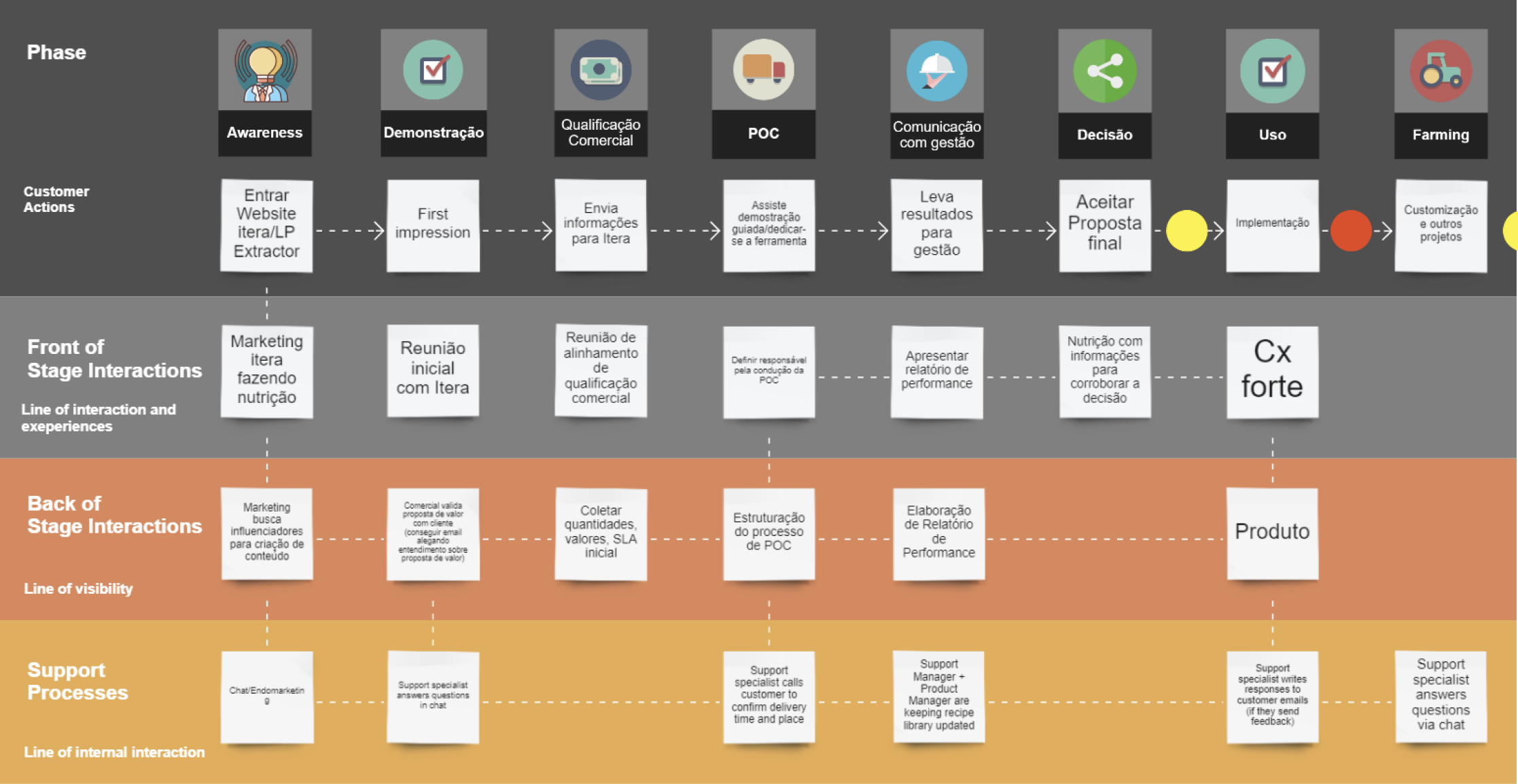
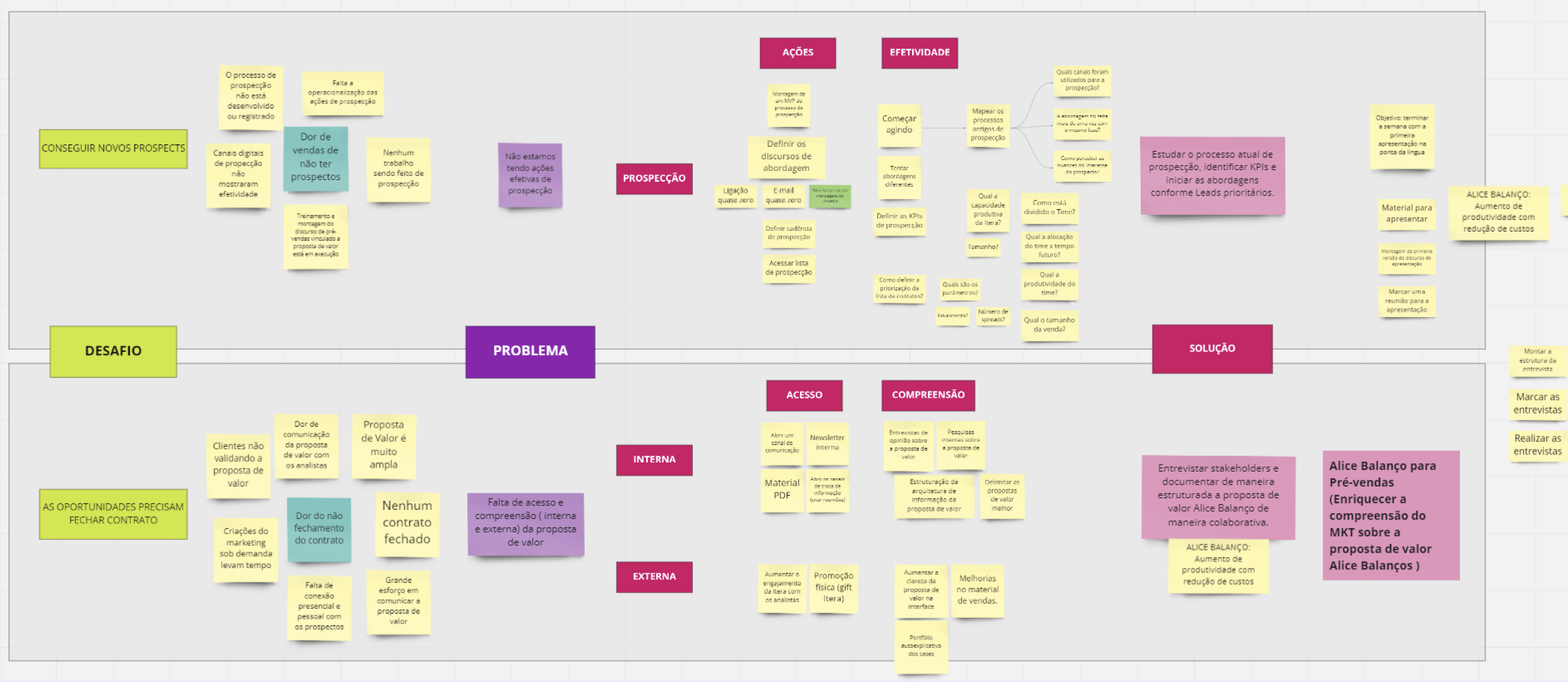
I built a service blueprint for the entire product experience. Then ran a Lean Design Thinking workshop with the team to align on MVP scope.
The go-to-market strategy leveraged credit cooperatives as a viral channel. Each cooperative branch influences about 10 others. One successful pilot could cascade through the entire network. We measured TAM, SAM, and SOM to size the opportunity.
The existing brand had real problems. Broken hierarchy. Unfriendly technical communication. Visual pollution everywhere. Nobody outside the company understood what Itera did.
I rebuilt the whole thing. Brandbook, Presentation Guidelines, Pitch Deck, Cases Portfolio, Product Pitch Deck. Every touchpoint got a consistent voice and visual language.
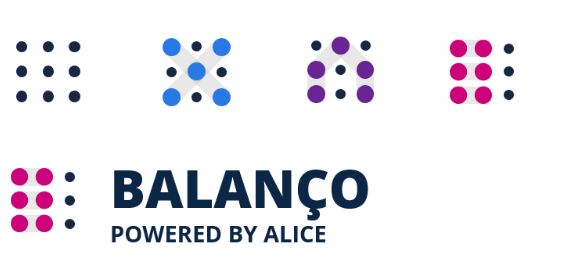
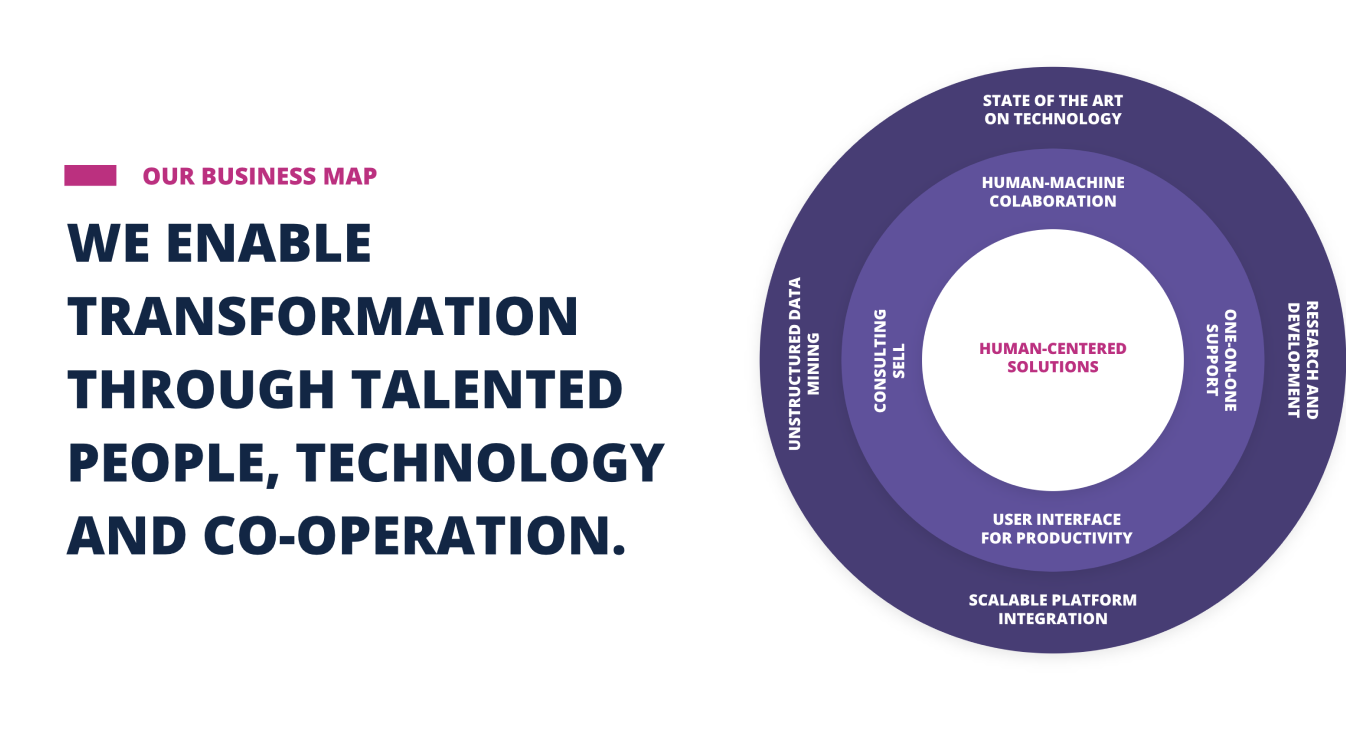
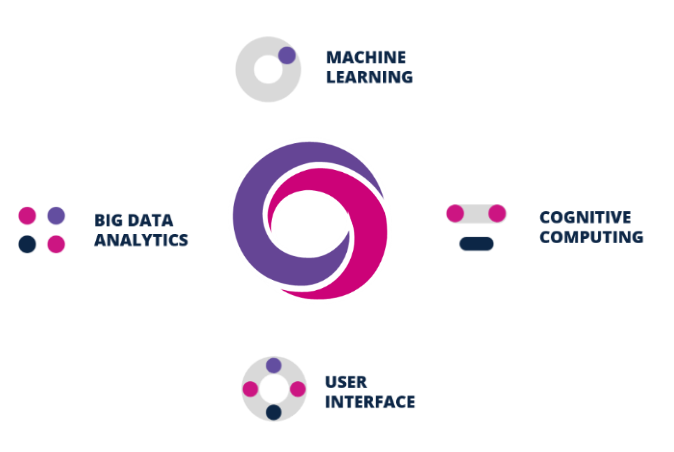
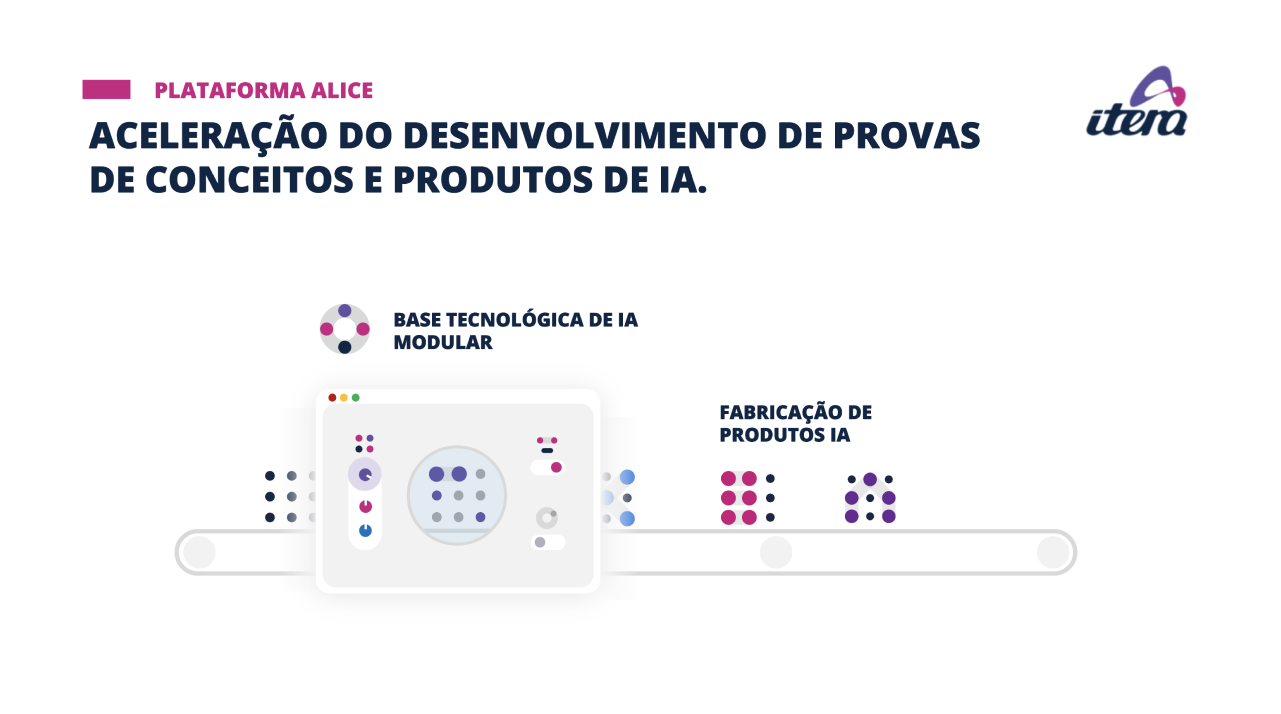
The Alice Platform identity was inspired by the Mobius Strip. Infinite, continuous, interconnected. The Building Blocks concept represents AI technology layers. Each product gets a unique color and grid placement showing its specific capabilities.
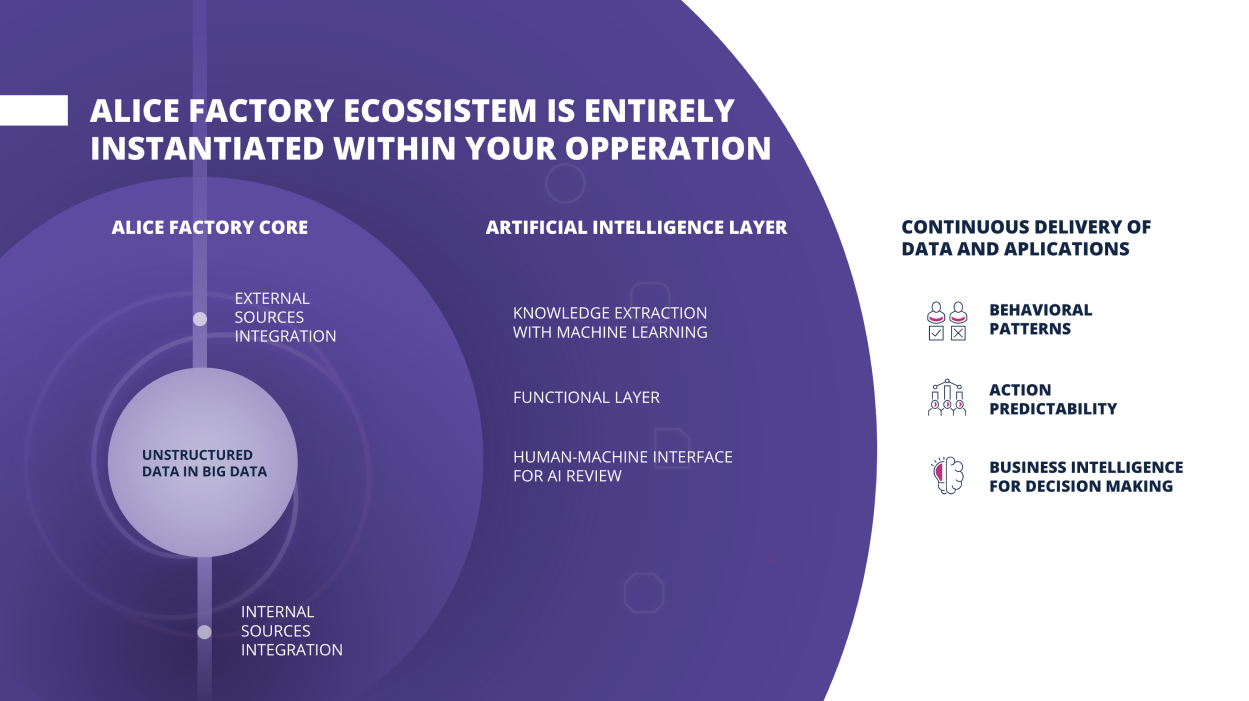
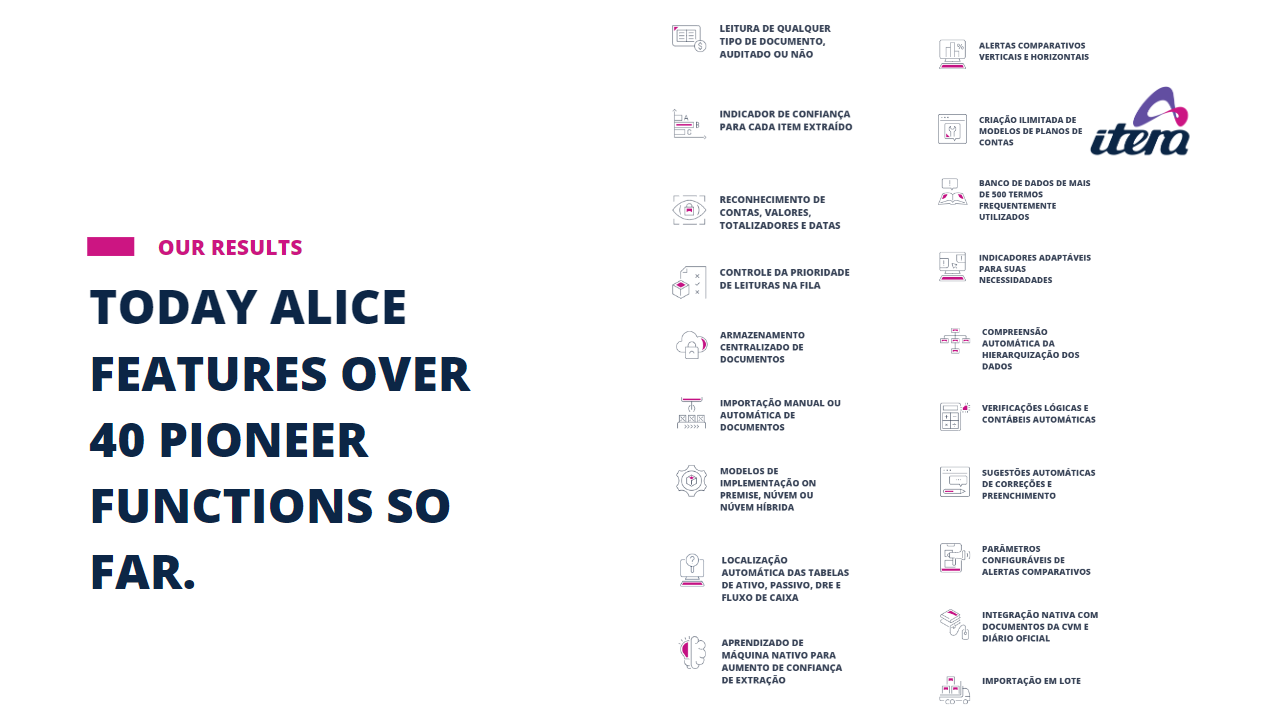
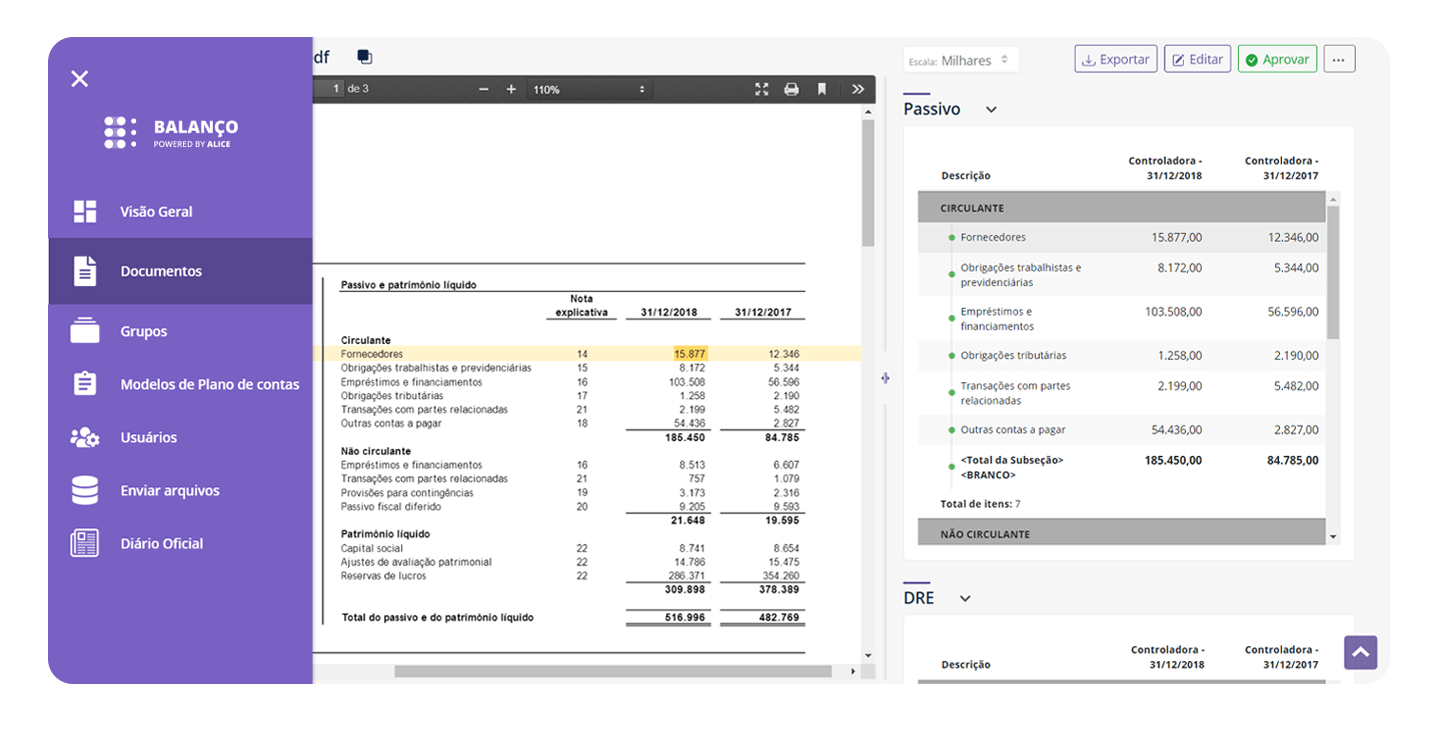
Alice Balanco is the AI product we built for credit risk. It extracts data from balance sheets and income statements automatically. What used to take analysts hours now takes minutes.
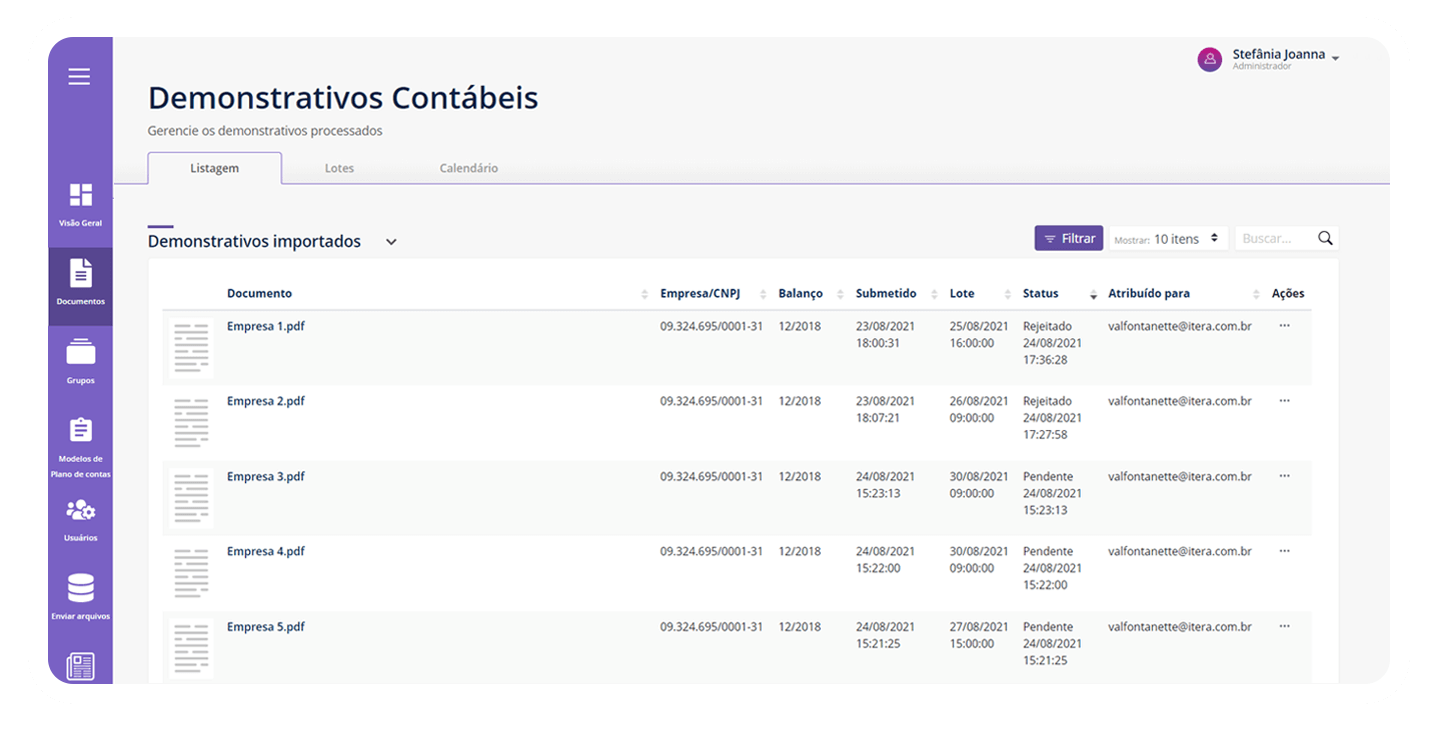
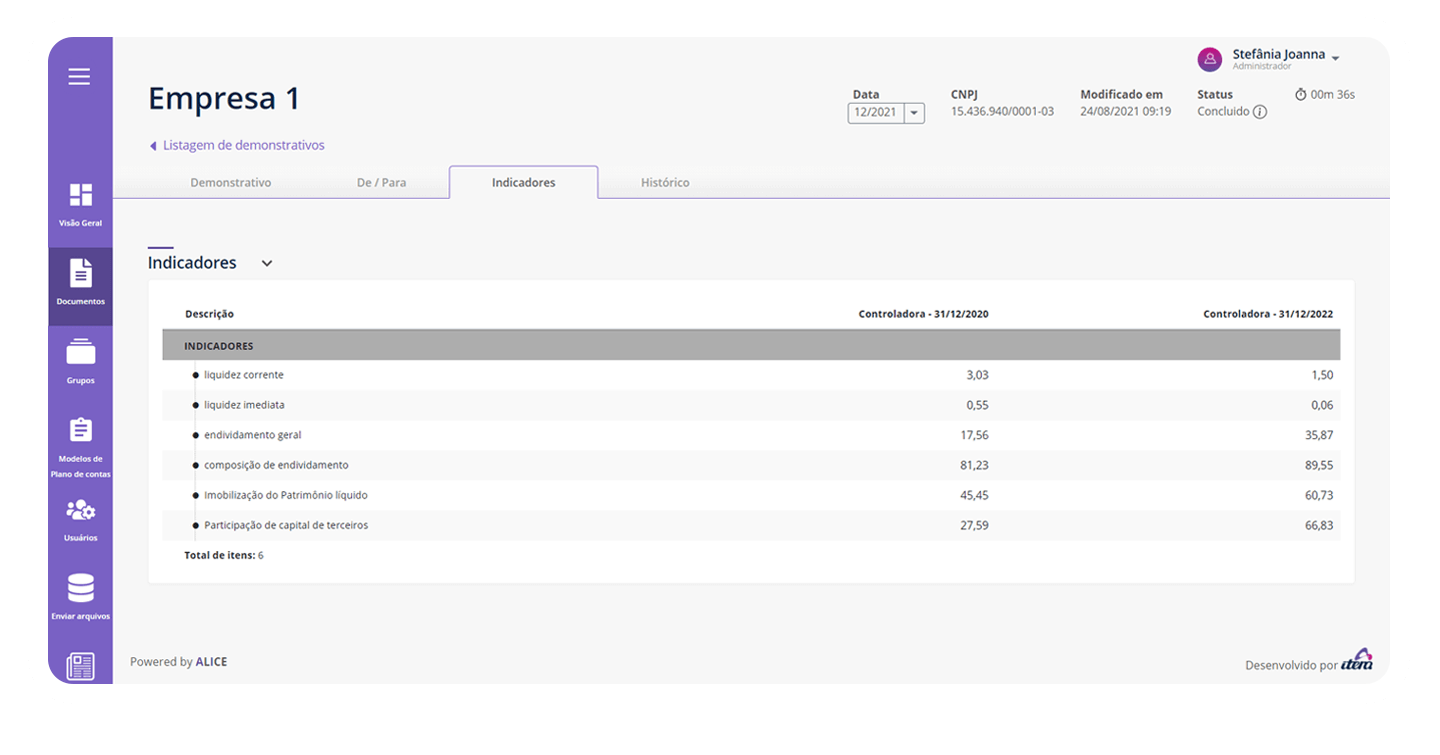
The visual identity system ties back to the Alice Platform. Each screen was designed to make AI feel approachable. Analysts see their data, their workflow, their language. The AI works in the background.